
Supporting Work-Life Balance: A Manager’s Guide to Preventing Burnout

Burnout rarely gives warning. As hybrid work blurs the line between job and personal life, balance comes down to what a manager does every day.
Behavioral Assessment Validation: 40 Years of Behavioral Science
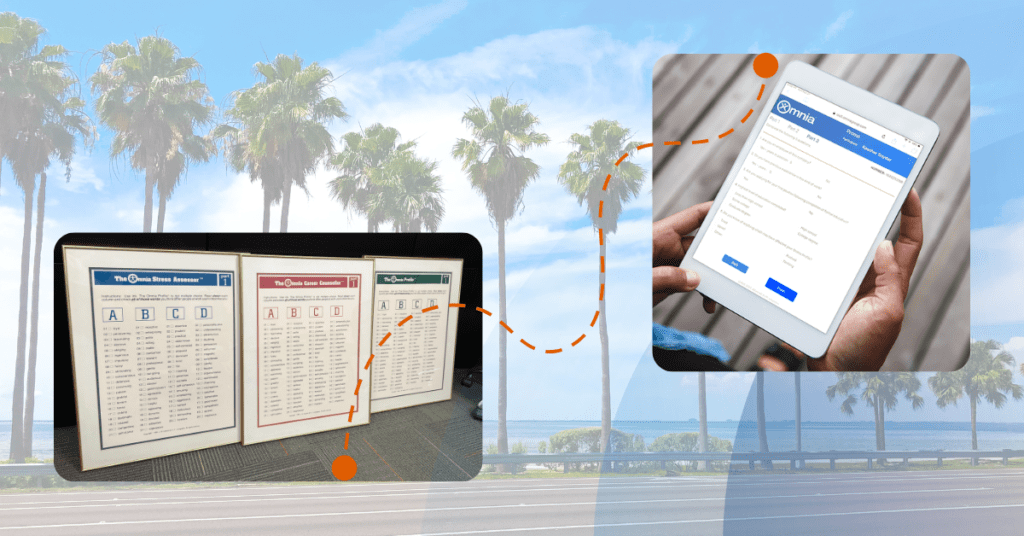
For 40 years, the Omnia Behavioral Assessment has been independently validated, revalidated, and refined—here’s the science behind its staying power.
Turning Generational Differences Into Workplace Strengths

Whenever a new generation enters the workforce, it seems there is a rush to explain and understand all conflicts or differences in terms of the whole generation.
Why Do Some Employees Struggle Even When They’re Working Hard?

How to Run a One-on-One Meeting That Actually Boosts Morale
Why Is Workplace Conflict So Hard to Resolve When You’re the One in the Middle?

Most workplace conflict gets labeled as a personality clash, a communication breakdown, or a resource problem. And those things are real. But they’re symptoms.
Do Your Managers Know How They Come Across?

Leadership style shapes everything about the employee development experience. It determines whether feedback lands or stings.
Most Teams Don’t Have a Performance Problem. It’s a Coaching Problem.

The strongest leaders don’t just manage performance. They build people who can sustain and improve performance over time.
The 73% Wake-Up Call: 5 Years of Data Expose the Soft Skills Gap

Soft skill readiness is now a risk factor. In 2026, 73% of talent leaders ranked critical thinking as the most important skill needed, ahead of technical skills.
Is Your Leadership Team Ready to Use AI in Talent Decisions?

Your managers are the system.
They hire, give feedback, and decide who gets developed and who gets passed over.
Consistency in Leadership Behavior Is Now the Core Driver of Employee Engagement

2026 marks a workplace in transition. Leaders are stepping up in visible ways, yet employees are responding with caution rather than wholehearted confidence.


